Category Archives: Municipal

Citizens? Ignore ’em.

““I’m not sure it’s fair to deny this [4633 Sumas Mountain Road] development,” she [Councillor Lynne Harris] said.”

It seems extremely fair to me to withhold council’s rubberstamping of another development on Sumas Mountain until the study on the effects previous developments had on property downhill and downstream is available.

If we are speaking of lack of fairness it seems extremely unfair to: 1) be making this decision without waiting for the IMSP study that would show whether development has negatively impacted property downhill and downstream; 2) that council in prior years routinely rubberstamped developments without studying what effect development had on property downhill and downstream; 3) to sneak the matter back before council for approval after deferring the decision on the development at a meeting attended by those who own property downhill and downstream; 4) to hold a re-vote when one of those who originally voted on the matter wasn’t present – especially given that councillor voted to wait for the report on the effect development has had.

Or perhaps Councillor Harris meant it was not fair to the developer not to rubberstamp (business as usual) the development but to use evidence (the ISMP study) in making the decision on whether to approve the development. Or perhaps Councillor Harris meant it was not fair to put the interests of Abbotsford’s citizens and area residents ahead of the interests of the developer?

“Councillor Lynne Harris said after “serious reflection” away from the “emotion of the table,” she had changed her mind.” So Councillor Harris was unwilling to stand up and face Abbotsford citizens whose property will be negatively impacted by the development in a forthright manner and vote to approve the development, but is quite willing to slither into a council meeting where she would not be facing those whose property will be negatively impacted by the development and sell out the interests of those citizens ?

There are several words that describe the behaviour of Councillor (Et tu) Harris vis-à-vis this development, but there was nothing fair in her betrayal of the residents of the properties downhill and down stream.

In addressing his guileful return before council of the development on Sumas Mountain Mayor Peary attempted to use doublespeak (language that deliberately disguises, distorts, or reverses meaning) to hide the fact that he was once again placing the interests of developers ahead of the interests of the citizens of Abbotsford (notably those property owners who will be negatively impacted by the development).
For example: ” Peary said he only has 30 days to ask for a reconsideration and had he waited for the next meeting, it would have been too late.”

To late for what?

To take advantage of the absence of Councillor Ross who was not a supporter of approving the development before the ISMP study was complete?

To have the development approved before the ISMP study provided evidence to support the position of property owners downhill and downstream that development on the mountain has negative effects upon them and their property is available?

Why else the rush to decision? As Mayor Peary himself acknowledged when he stated “We would just be reconsidering it in February…”, the decision was due for reconsideration next month (February) – hardly an unreasonable delay.

Or for example: “Peary told The News that the watershed is 1,500 hectares in size, and the 65-unit townhouse development is “a tiny dot” on it.”

What does the size of the watershed have to do with anything? The important point is that “tiny dot” that is the 65-unit townhouse development is right above the “tiny dots” that are the properties of Abbotsford citizens.

How about: ” What’s more, he [Mayor Peary] said city staff assure him that water detention requirements in the development will mean there will be less runoff from the developed land.”

Would this be the same staff who assured citizens the Abbotsford Entertainment and Sports Complex would make a profit and not be a black hole consuming millions of taxpayers dollars?

“… less runoff from the developed land.” Less runoff than what? The floods currently hitting Australia? What is a little more flooding, eh Mayor Peary? Given his drive to have the development approved at any cost the mayor would not want to remember that just a few years ago a “little more flood” would have had the Fraser River breeching its dikes and pouring into Abbotsford.

Contrast Mayor Peary’s doublespeak with the words of Councillor MacGregor who demonstrated a clear grasp of the situation when he stated ““We need to see this report. … we need to wait.””

I would suggest that Mayor Peary needs to remember that his duty of care is owed to the citizens of Abbotsford and not to developers, or wealthy citizens purchasing a professional hockey team, et cetera. But…… given the mayor’s behaviour since he took office and the manner in which he snuck this matter back before council when the timing would ensure that the development was approved – reminding the mayor of the duty of care he owes Abbotsford’s citizens would be a waste of breath.
Only in Abbotsford……

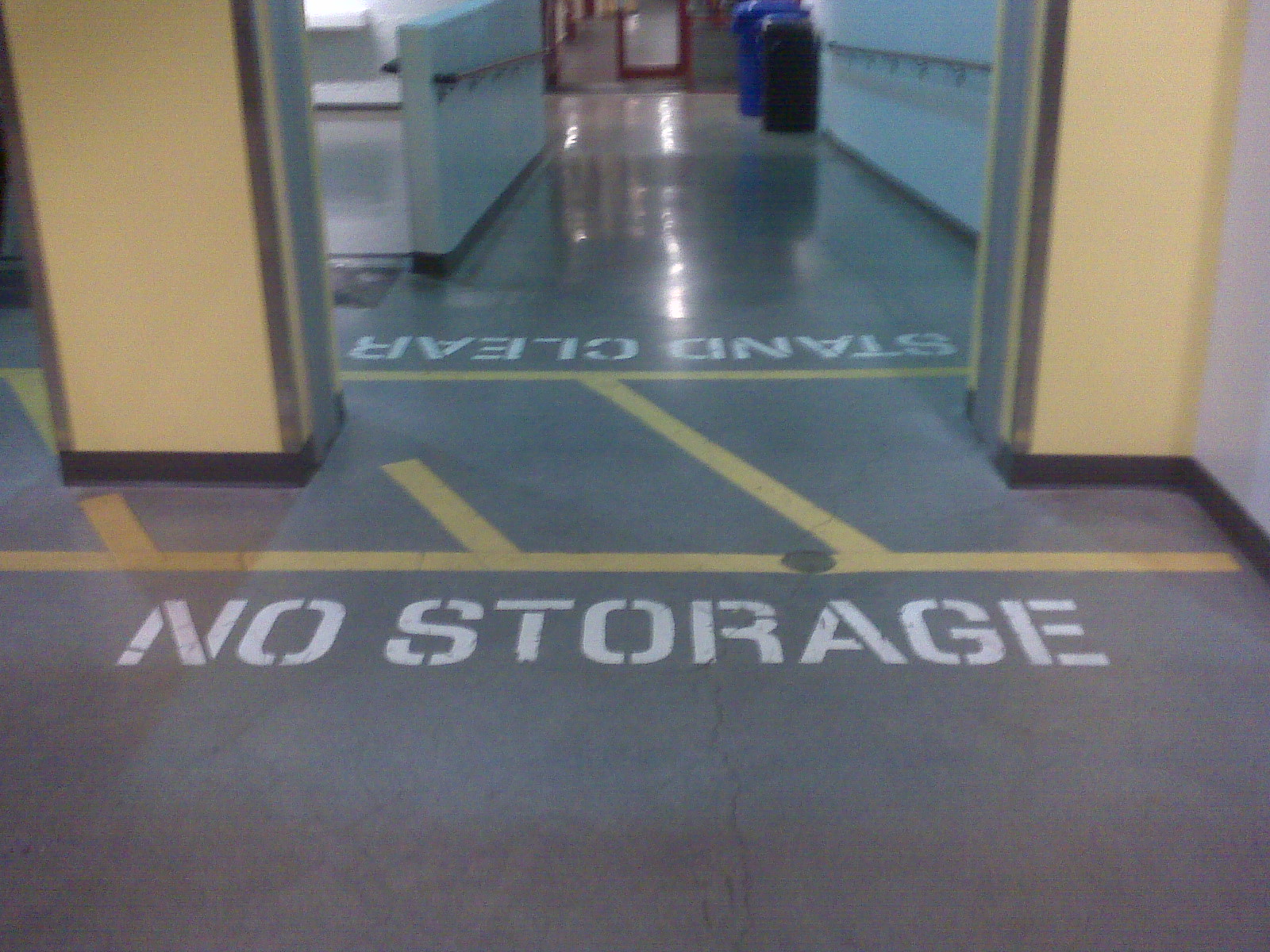
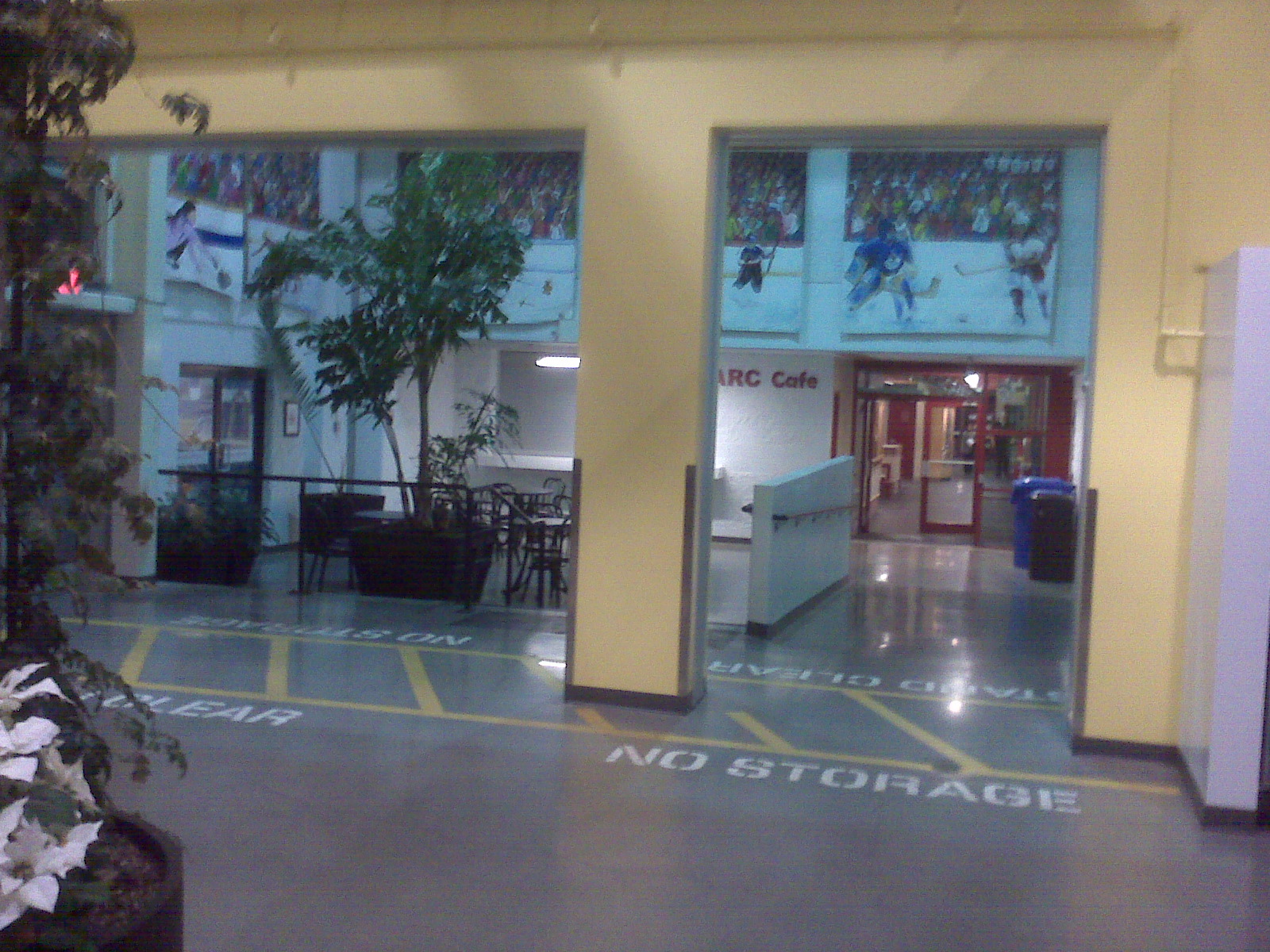
You know, when it reaches the point you have to paint, in a bright yellow colour, instructions so city employees do not pile items in a doorway or stand in the doorway when it is closing……it is time that city hiring criteria become based on ability, knowledge and at least a minimal level of intelligence rather than who you know and/or nepotism.

Either:

The water crisis is a LOT worse than city council acknowledges – a lot worse since taxpayers know it is worse (much worse?) than council will admit. At least one hopes it is a case of won’t admit and not another instance of head in the sand, have no clue about.

Or:

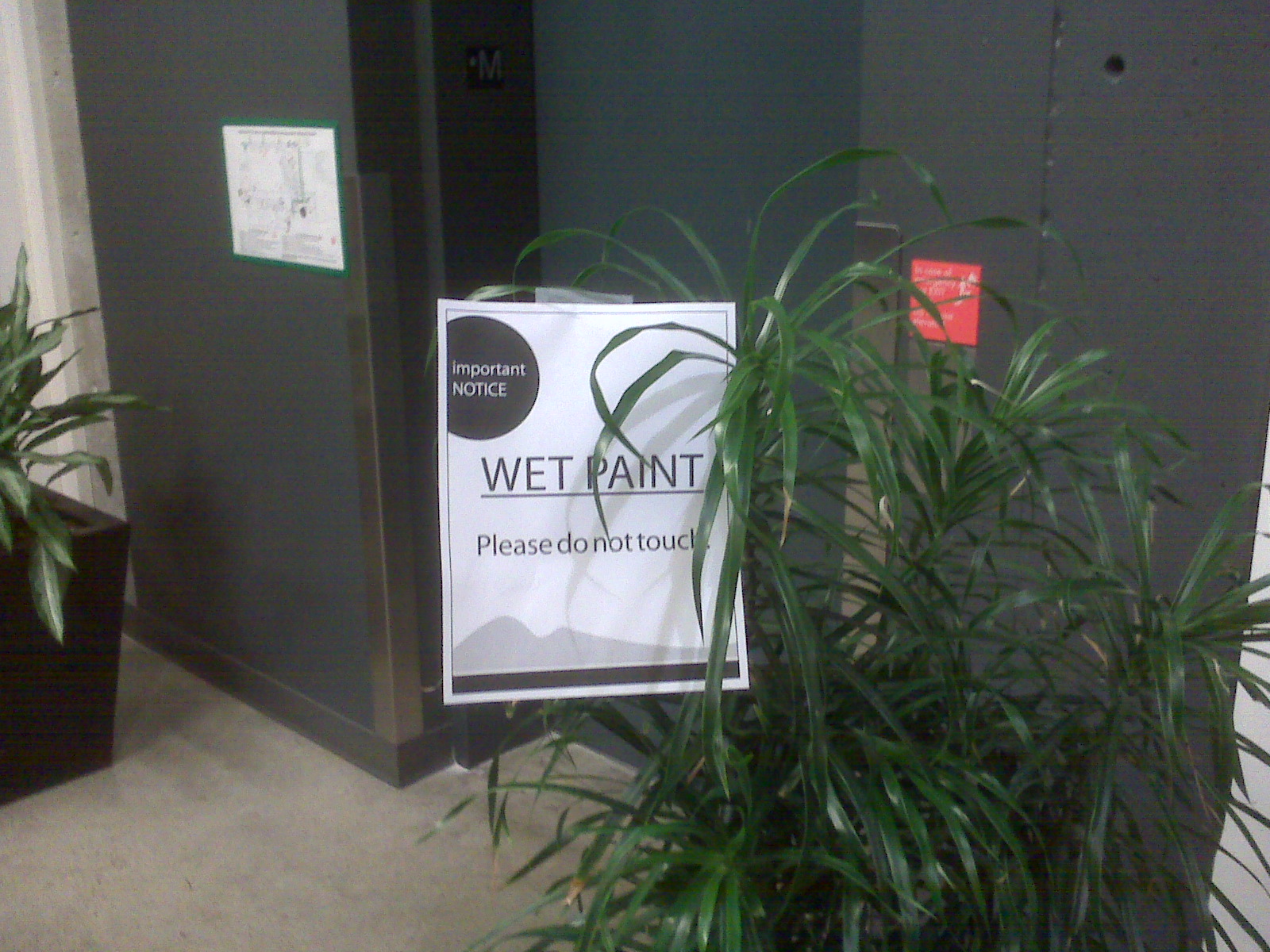
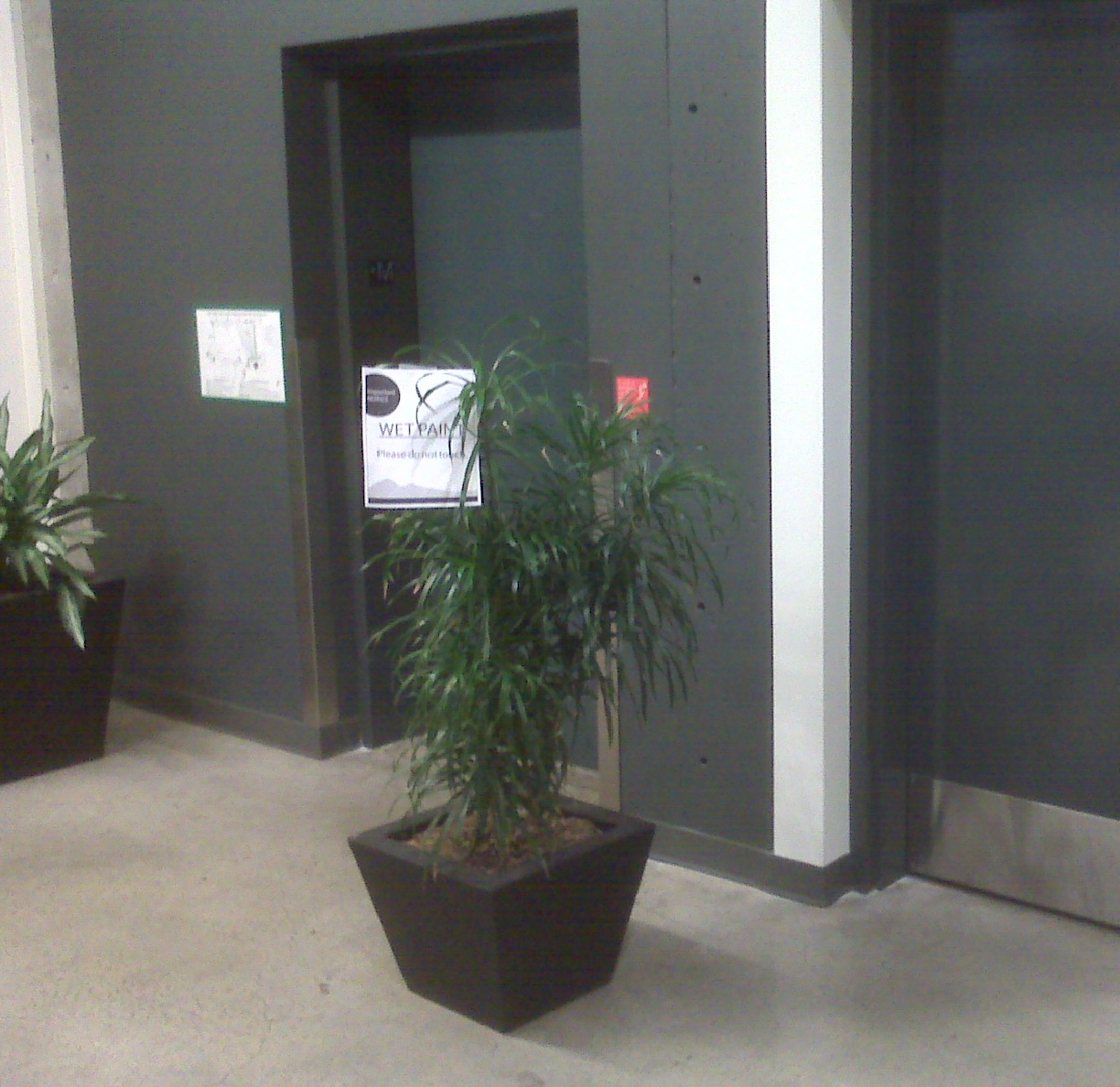
Someone needs to explain to council you keep plants green by watering them not by painting them green. Although…….not knowing plants require water, not painting. to stay green would serve to explain city council’s lackadaisical attitude towards the need to increase the supply of water available to water plants, fight fires or for drinking to sustain life.

Voting age

How would you know…?

…that the BC Liberals (and NDP) parties are allowing those under the age of 18 to vote for the leader of the Party?

Could the first clue be the fact that the leadership candidates are suggesting, or jumping on the bandwagon, that the voting age be lowered to 16?

Talk about putting a whole new spin on the tradition of kissing babies for votes…

We have graduated drivers licensing for young drivers, those under 18 (the current voting age) are not allowed to purchase alcohol and the legal age of majority is 18.

So are the leadership candidates saying that voting is a less important or requires less judgment and maturity than driving a vehicle, buying alcohol or being considered to be legally an adult?

“Liberal leadership contender Mike de Jong says he wants to lower the voting age in B.C. from 18 to 16 in a bid to attract more voters to polls.”

Since the polls are in schools it would certainly be easy and convenient for students to vote which may well lead to a higher turnout percentage among this new group of voters – at least as long as they are in school and it is easy and convenient – artificially inflating the voter turnout numbers.

If the goal is simply to increase voter turnout why don’t we move the polls to more convenient locations? Malls, grocery stores, bars etc. Making the polls more conveniently located so that people do not have to make an effort to go and vote will also raise voter turnout.

Of course moving the polls out of the schools, thus reducing the ease and convenience for the new voters to vote will undoubtedly significantly reduce turnout among the proposed new voters to levels more in keeping with the turnout in the rest of the population.

Besides, does not a ‘fair’ election require that no group of voters have a significant advantage in the opportunity to vote? In the interest of fairness and not conferring an advantage should not voting be equally inconvenient for all voting populations?

If someone cannot go 5 or 10 minutes out of their way to vote – do we really want them voting?

If the goal is to increase voter turnout might I make a suggestion? Instead of lowering the voting age or moving polls to convenient locations we might want to try a truly radical solution – giving voters something (someone) to vote for.

I keep myself informed on what is happening in BC, Canada and around the world; keep informed on what the issues are and the events effecting the issues; give thought to what information experience/history provides on the issues; think about the future and what actions we need to take.

I am a person engaged and prepared to give informed consent on how I want the city. the province and the country to be governed.

Unfortunately (for the province, country and world) I also have nothing and/or no one I want to cast my vote for.

Being interested and engaged in the issues of government and governance I often ‘talk politics’ with others who keep themselves informed who complain of being in the same position – being informed and engaged they also find they to have no one they consider deserving of their vote.

Those among this group who feel they have to vote, having nothing and no one to vote for, find themselves condemned to holding their noses and voting for the lesser of evils. Political discussion on the ‘Net and comments made to the media by voters suggest that a significant percentage of those who do vote in provincial or federal elections are confronted by the dilemma that if/when they vote they are not voting for the direction or the policies they want the province or country to be pursuing but either 1) voting to prevent something (i.e. a Conservative majority government) or 2) voting for the lesser of evils (i.e. a minority government).

I am old enough that I can remember when elections were about issues, not about spin, mudslinging, saying as little as possible and telling the voting public what it wants to hear.

On the flipside I can remember a time when voters applied thought to the policies and politicians they voted for – not just whether they hear (or think they hear) what they want to hear.

While giving the above collection of voters something to vote for would help to stop the decline in the percentage of voters, in order to significantly increase the number of voters it is necessary to re-enfranchise the more than 50% of voters who are currently disenfranchised.

Disenfranchised? What else would you call it when the votes of these voters have no effect on government behaviours and policies that impact their lives. When voting is pointless – you have seen that your vote makes no difference to what happens to you – why would you bother to vote?

Since the number of disenfranchised voters continues to grow every election, basic mathematics tells you that voter turnout will continue to decline every election.

Governments, politicians and pundits prefer to use the term apathy to explain the decrease in voter turnout. As in ‘the voters don’t vote because they are apathetic’, an explanation politicians, pundits and the public find more palatable than the harsh truth: that the majority of voters don’t vote because nobody speaks or will speak for them.

If you are wealthy, well to do, a businessman, a corporation etcetera – the BC Liberal party (Conservatives federally) will act to advance your interests.

If you are big labour/union or one of a number of special interest organizations/groups that contribute to the political interests of the NDP, the BC NDP (federal NDP) will act to advance your interests.

[The federal Liberals, due to a lack of leadership and ideas, have become the: ‘I don’t want a Conservative government; I don’t want a NDP government; that leaves the Liberals’ party.]

The majority of Canadians and BC residents have no party, no politician or candidate for office that will advance their interests.

Disenfranchise: 1. to deprive of the right to vote or other rights of citizenship 2. to deprive of the right to send representatives to an elected body 3. to deprive of some privilege or right 4. to deprive of any franchise or right.

Represent:: 1. to stand or act in the place of, as a substitute, proxy, or agent does; 2. to act for or in behalf of (a constituency) by deputed right in exercising a voice in legislation or government.

Politicians, pundits and the enfranchised public will no doubt deny this uncomfortable reality as the current state of affairs is to their advantage. Especially in light of the fact that if those who are currently disenfranchised and do not vote were to found a party and recruit candidates to represent them, the politicians, pundits and currently enfranchised public would suddenly find themselves suffering the consequences of their interests and needs being disregarded.

Clearly a situation politicians. pundits and the enfranchised public have no desire to find themselves in.

Think about it: when experienced politicians in the BC Liberal party addressed the question of increasing voter turnout they avoided addressing increasing turnout by re-engaging the non-voting voters and turned to finding new voters and that the NDP have shown no interest in addressing voter turnout.

The disenfranchised majority needs leadership and representation to emerge and give voice to their best interests.